Easter Egg Shadow Box 3D Laser Cut: A Practical Guide to Design, Materials, and Assembly
The resurgence of handmade home décor has brought intricate paper crafts and laser-cut designs into the mainstream. Among these trends, the Easter Egg Shadow Box 3D Laser Cut stands out as a sophisticated blend of traditional holiday symbolism and modern fabrication techniques. Unlike flat decorations or simple painted eggs, this design utilizes layered depth to create a three-dimensional scene within a confined frame. For hobbyists, professional crafters, and DIY enthusiasts, understanding the nuances of this specific project type is essential for achieving a high-quality result.
This article explores the structural elements of 3D laser-cut shadow boxes, compares material choices, and evaluates when this approach is superior to other decorative methods. Whether you are using a Glowforge, Cricut, CNC router, or a standard desktop laser cutter, the principles of assembly and design optimization remain consistent.
Understanding the 3D Layered Structure
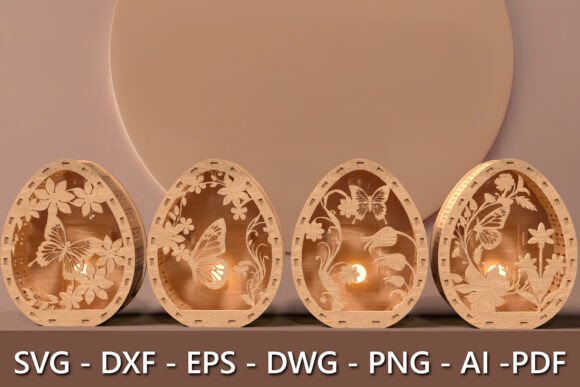
The core appeal of an Easter Egg Shadow Box 3D Laser Cut lies in its construction. It is not a single piece of material but a composite of multiple layers stacked to create perspective. Typically, the design features a front frame, several intermediate layers with cut-out patterns, and a solid backboard. The intermediate layers often include delicate motifs such as butterflies, floral patterns, and foliage, which are strategically placed to guide the viewer’s eye toward the center.
When evaluating this style against flat decals or two-dimensional prints, the primary distinction is light interaction. The gaps between layers allow light to pass through, creating shadows that enhance the perception of depth. This makes the shadow box particularly effective as a night lamp or ambient lighting feature. When a small LED light source is placed inside, the translucent qualities of materials like acrylic or thin wood diffuse the glow, resulting in a cozy ambiance that flat decorations cannot replicate.
Material Selection: Wood, Acrylic, and Cardstock
One of the most critical decisions in creating a shadow box is selecting the appropriate material. Each option offers distinct tradeoffs regarding durability, ease of cutting, and aesthetic finish.
- Wood: Birch plywood and basswood are popular choices for laser cutting. They provide a warm, natural look that complements spring themes. However, wood requires precise power settings to avoid excessive charring on the edges. It is rigid and durable, making it ideal for permanent home décor, but it can be heavier than other options.
- Acrylic: Clear or colored acrylic sheets offer a modern, sleek appearance. Acrylic is excellent for light diffusion, making it the preferred choice if the primary goal is to create a lamp. It cuts cleanly with minimal post-processing, but it can be prone to scratching and may require protective film removal after cutting. Additionally, acrylic lacks the organic texture some users prefer for Easter-themed items.
- Cardstock: For those without access to laser cutters, heavy cardstock is a viable alternative. While it does not offer the same structural rigidity as wood or acrylic, it is inexpensive and easy to layer. Cardstock is best suited for temporary decorations or projects where weight is a concern. However, it is sensitive to humidity and less durable over time.
Choosing the right material depends on your intended use. If the piece will be handled frequently or displayed outdoors, wood or acrylic is necessary. For indoor, seasonal display where cost is a factor, cardstock remains a practical entry point.
Design Complexity and File Formats
The success of a laser-cut project relies heavily on the quality of the digital file. An Easter Egg Shadow Box 3D Laser Cut design must be optimized for the specific machine being used. Most professional designs are available in vector formats such as SVG, DXF, EPS, DWG, AI, and PDF. These formats ensure that the cut lines remain crisp and scalable without pixelation.
When comparing pre-made digital files versus designing from scratch, consider the learning curve. Pre-made files, such as those optimized for Glowforge or Cricut, save significant time and reduce the risk of measurement errors. They often include registration marks and layer separation instructions. Conversely, custom design allows for complete creative control but requires proficiency in software like Adobe Illustrator or Inkscape. For beginners, starting with a tested file format ensures that the intricate butterfly and floral patterns align correctly during assembly.
Assembly Techniques and Lighting Integration
Assembly is where the theoretical design becomes a tangible object. The process involves stacking the layers in the correct order and securing them. Common methods include using double-sided tape, wood glue, or specialized spacers. Spacers are crucial because they maintain consistent gaps between layers, which is vital for the shadow effect. Without proper spacing, the layers may touch, flattening the visual depth and potentially blocking light paths.
Integrating lighting requires careful planning. Battery-operated LED fairy lights or small puck lights are commonly used. The placement of the light source affects the overall brightness and shadow sharpness. A central placement tends to illuminate all layers evenly, while a bottom-up placement can create dramatic upward shadows. When building a night lamp version, ensure the housing allows for heat dissipation, although LEDs generate minimal heat, enclosed spaces can still trap warmth.
Comparing Shadow Boxes to Other Easter Décor
To determine if this project is the right choice, it helps to compare it with other common Easter decorations.
- Traditional Painted Eggs: These are classic and inexpensive but fragile and short-lived. They offer no structural presence in a room and do not function as lighting fixtures.
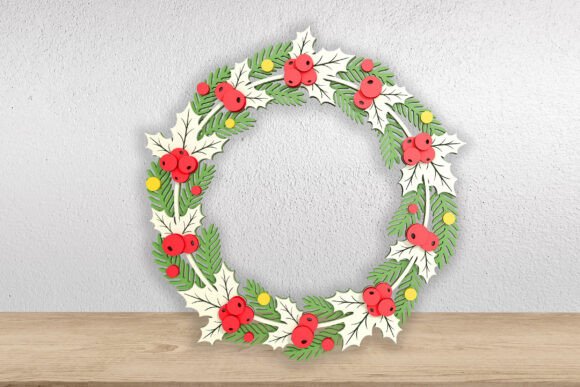
- Wreaths: Wreaths are prominent and traditional but often bulky. They require specific hanging hardware and do not offer the same interactive element as a lighted shadow box.
- Printed Art: High-quality prints are easy to produce but lack tactile depth. They cannot change appearance based on lighting conditions, whereas a shadow box transforms from a subtle daytime decoration to a glowing focal point at night.
The Easter Egg Shadow Box 3D Laser Cut occupies a unique niche. It is more durable than paper crafts, more interactive than static art, and more modern than traditional ceramic or plastic figurines. It serves dual purposes as both a decorative object and a functional light source, adding value beyond mere aesthetics.
Limitations and Considerations
While versatile, this project is not without limitations. The intricate nature of laser-cut designs means that dust can accumulate between layers, requiring occasional cleaning with compressed air or a soft brush. Additionally, the complexity of assembly may be daunting for complete beginners. Aligning multiple layers with precision demands patience and a steady hand.
Cost is another factor. High-quality materials like thick acrylic or premium plywood are more expensive than paper. Furthermore, if you do not own a laser cutter, outsourcing the cutting process can add to the expense. However, for those who already possess the equipment, the marginal cost per unit is low, making it an excellent option for creating multiple gifts.
Making the Right Choice for Your Project
Deciding to pursue an Easter Egg Shadow Box 3D Laser Cut project should depend on your resources and goals. If you seek a quick, disposable decoration, simpler alternatives may be more appropriate. However, if you value craftsmanship, longevity, and the ability to customize lighting effects, this approach is highly rewarding.
It is particularly well-suited for individuals who enjoy the process of making as much as the final product. The combination of technical precision in cutting and artistic judgment in assembly provides a satisfying creative outlet. Moreover, the resulting piece is distinctive enough to serve as a meaningful DIY gift, offering a personal touch that mass-produced items lack.
In conclusion, the 3D laser-cut shadow box represents a convergence of technology and tradition. By carefully selecting materials, utilizing proper file formats, and paying attention to assembly details, creators can produce stunning decorative pieces that enhance any living space. Whether used as a night lamp or a standalone art piece, it offers a refined alternative to conventional holiday décor.