Creating Depth and Memory: A Practical Look at the Six Seven Photo Frame Shadow Project
For creators who operate laser cutters or digital cutting machines, the transition from flat designs to dimensional decor represents a significant leap in perceived value. The Six Seven Photo Frame Shadow project exemplifies this shift, offering a structured yet flexible approach to building layered shadow boxes. This digital asset is not merely a template; it is a comprehensive workflow solution designed for users of Glowforge®, xTool®, OMTech, Cricut®, and Silhouette® machines. By combining precise vector files with thoughtful design layers, it allows hobbyists and small business owners to produce high-quality, personalized holiday decor or year-round memory displays without the steep learning curve often associated with 3D assembly projects.
Understanding the Design Architecture
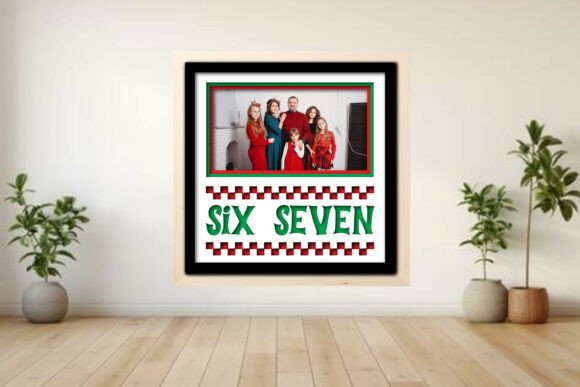
The core appeal of the Six Seven Photo Frame Shadow lies in its modular construction. Unlike single-layer cutouts that rely solely on surface engraving for visual interest, this project utilizes a stacked approach. The design includes separate layers for the backer, frame mat, and thematic accents such as the “Santa squad,” tree, and star elements. This separation is crucial for achieving a genuine three-dimensional effect. When assembled, the varying depths create natural shadows that enhance the visual impact of the displayed photographs, turning a simple printed image into a focal point.
The file package is robust, including SVG, DXF, PDF, EPS, PNG, and LBRN2 formats. This variety ensures compatibility across a wide spectrum of hardware. For laser cutter users, the inclusion of an LBRN2 project file is particularly valuable. It comes pre-configured with color-coded layers: red for cuts, blue for scores, and black for engraving. This preparation saves considerable time in the software setup phase, reducing the risk of human error during the import process. For those using blade-based cutters like Cricut or Silhouette, the SVG and DXF files provide clean paths for cutting cardstock or vinyl, while score lines allow for precise folding where necessary.
Versatility in Layout and Application
One of the most practical features of this design is its adaptability. Users can choose from one, two, three, or six-photo layouts. This flexibility makes the Six Seven Photo Frame Shadow suitable for various contexts. A single-photo layout might serve as a prominent gift for a grandparent, highlighting a specific cherished moment. In contrast, a six-photo grid offers a narrative approach, ideal for documenting a child’s growth over a year or capturing multiple highlights from a family vacation. The ability to scale the design further enhances its utility. Whether you are working with a compact desktop laser or a larger industrial bed, the vectors can be adjusted to fit your material constraints and desired final dimensions.
The thematic elements are designed with holiday decor in mind, specifically Christmas, but the underlying structure is neutral enough to support other uses. By swapping the “Santa squad” and tree accents for different seasonal or generic motifs, creators can extend the product’s lifecycle beyond December. This adaptability is essential for entrepreneurs looking to maximize their return on investment for digital assets. A design that sells only in Q4 is less valuable than one that can be marketed throughout the year with minor modifications.
Material Considerations and Assembly
Successful execution of the Six Seven Photo Frame Shadow depends heavily on material selection and machine calibration. The project is tested primarily on 3 mm plywood, a standard thickness for many laser-cutting applications. Plywood offers the structural rigidity needed to support the layered weight while providing a warm, natural aesthetic that complements photographic memories. However, users must recognize that settings vary significantly between machines. A Glowforge may require different power and speed parameters compared to an OMTech or xTool unit. Running a material test before committing to the final piece is a non-negotiable step to ensure clean cuts and accurate scoring.
The assembly process is guided by a included PDF, which simplifies what could otherwise be a confusing task. Layered projects require precision; if the backer is misaligned, the entire frame may appear skewed. The color-coding in the LightBurn file aids in this regard, ensuring that each component is cut and scored correctly before assembly begins. For those using adhesive, the recommendation is to use a strong, clear-drying glue suitable for wood or paper, depending on the chosen substrate. The layered design naturally hides minor imperfections in alignment, making it forgiving for beginners while still allowing experts to achieve flawless results.
Value for Creators and Small Businesses
From a commercial perspective, the Six Seven Photo Frame Shadow offers a compelling value proposition. Digital downloads eliminate inventory costs and shipping logistics, allowing creators to focus on production and marketing. The professional presentation of the files—complete with organized layers and multiple format options—reduces the technical barrier to entry. This is particularly beneficial for educators and workshop leaders who need reliable, repeatable projects for students. The consistency of the output ensures that every participant can achieve a satisfactory result, fostering confidence and engagement.
For marketers and bloggers, this project serves as excellent content fodder. The visual appeal of layered shadow boxes performs well on social media platforms like Pinterest and Instagram, where depth and texture capture attention more effectively than flat images. By documenting the creation process, from file preparation to final assembly, creators can build authority and trust with their audience. The tangible nature of the final product also makes it an ideal candidate for local craft fairs or online marketplaces like Etsy, where personalized, handmade items command higher price points.
Limitations and Realistic Expectations
While the Six Seven Photo Frame Shadow is a well-designed asset, it is important to maintain realistic expectations. As a digital download, it does not include physical materials or photos. Users must source their own plywood, cardstock, or acrylic, and they are responsible for printing or inserting their own images. The mockups shown in promotional materials are for illustration purposes only and do not represent the final product’s appearance without user input. Additionally, the complexity of layered assembly may intimidate absolute beginners who have never handled multi-part projects. Patience and attention to detail are required to achieve the intended 3D effect.
Furthermore, the design’s scalability has physical limits. While vectors can be resized infinitely in theory, cutting very small details on thin materials or very large structures on thin materials may compromise structural integrity. Users should consider the strength of their chosen material when scaling up. For instance, a large frame made from 3 mm plywood may require additional backing support to prevent warping over time. Understanding these material science basics is key to long-term satisfaction with the project.
Final Assessment
The Six Seven Photo Frame Shadow stands out as a practical, well-engineered resource for laser and digital cutting enthusiasts. It balances aesthetic appeal with functional design, offering a straightforward path to creating professional-looking decor. Its compatibility with major machines and software platforms ensures broad accessibility, while the layered architecture provides a tactile quality that flat prints cannot match. For those willing to invest the time in material testing and careful assembly, this project delivers a high-quality result that honors memories with depth and style. It is a worthy addition to any creator’s library, offering both immediate creative satisfaction and long-term commercial potential.