Evaluating the Rose Lily Texture Roller STL for Botanical Clay Crafts
In the evolving landscape of digital fabrication and handmade crafts, the intersection of 3D printing and traditional material arts has created new opportunities for creators. Among the tools emerging from this synergy is the Rose Lily Texture Roller STL, a digital asset designed to produce intricate floral impressions on various malleable surfaces. For artisans working with polymer clay, ceramics, or even culinary mediums like fondant, having access to high-quality, repeatable textures can significantly elevate the perceived value of their work. This article examines the practical utility, design integrity, and workflow integration of this specific texture roller model.
Design Philosophy and Aesthetic Appeal
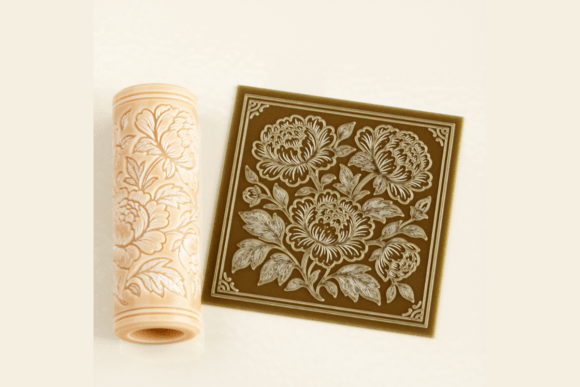
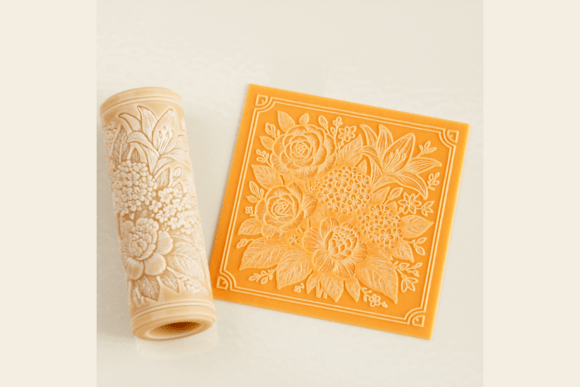
The primary appeal of the Rose Lily Texture Roller lies in its botanical motif. Unlike generic geometric patterns or abstract designs, this model features a curated mix of roses, lilies, and delicate blossoms. This combination offers a timeless elegance that resonates well with current market trends in home decor and personal accessories. The design avoids the cluttered look that often plagues multi-element textures by balancing larger floral heads with finer, leafy details. This hierarchy ensures that the impression remains legible and aesthetically pleasing, even when applied to smaller items such as jewelry components or ring trays.
From a design perspective, the inclusion of varied flower types adds visual interest without sacrificing consistency. The roses provide bold focal points, while the lilies and smaller blossoms fill the negative space, creating a cohesive surface pattern. For creators who specialize in bridal accessories, vintage-inspired decor, or artisanal soaps, this specific floral arrangement offers a sophisticated alternative to simpler, single-flower stamps.
Technical Optimization for 3D Printing
A critical factor in the success of any 3D printed tool is its printability. The Rose Lily Texture Roller STL is explicitly optimized for both FDM (Fused Deposition Modeling) and SLA/DLP (Stereolithography/Digital Light Processing) printers. This versatility is essential because different makers have different hardware capabilities. Resin printers typically offer higher resolution, capturing the finest veins in the petals, while modern FDM printers with small nozzles can also achieve satisfactory results if settings are tuned correctly.
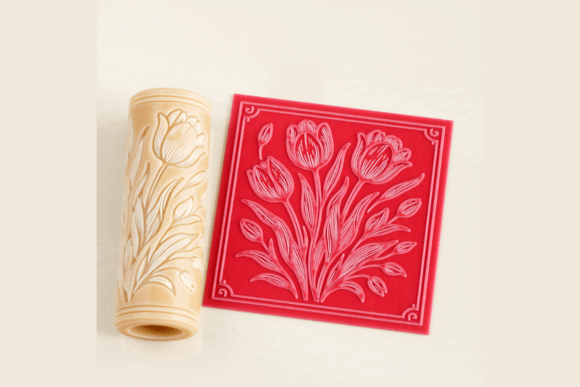
The model requires no supports, which is a significant advantage for user experience. Support-free printing reduces post-processing time, minimizes the risk of damaging delicate features during removal, and conserves material. The recommended layer height of 0.1–0.15 mm strikes a balance between print speed and surface quality. At this resolution, the sharp edges of the floral details are preserved, ensuring that the resulting texture is crisp rather than blurred. For users concerned about durability, the standard 3-inch (7.5 cm) roller format is robust enough to withstand the pressure required for clay and fondant work, provided it is printed with sufficient infill density.
Versatility Across Materials and Applications
One of the strongest attributes of this digital tool is its material agnosticism. While primarily marketed toward polymer clay artists, the roller’s design translates effectively to several other mediums:
- Polymer Clay: Ideal for creating textured slabs for jewelry, earrings, and pendants. The detail holds up well during baking, adding depth to painted or mica-powdered finishes.
- Ceramics and Pottery: Useful for impressing patterns into leather-hard clay before firing. It works well for decorative tiles, mug exteriors, and plate rims.
- Fondant and Baking: Food-safe considerations depend on the filament or resin used, but the shape itself is suitable for creating elegant cake toppers and cookie decorations.
- Artisan Soap: Cold process and melt-and-pour soaps benefit from the subtle relief, which can be highlighted with contrasting colors or dusts.
This cross-material compatibility makes the Rose Lily Texture Roller STL a valuable asset for multi-disciplinary creators. A small business owner who sells both ceramic homewares and polymer clay jewelry can use the same digital file to maintain brand consistency across different product lines.
Workflow Integration and Usability
For professionals and serious hobbyists, time efficiency is paramount. As a digital download, this product eliminates shipping delays and inventory management. Once the STL file is acquired, it can be sliced immediately using preferred software. The ability to resize the model is another practical feature. While the standard 3-inch size is suitable for most hand-held applications, users can scale the model up for larger projects like table runners or down for miniature work, provided they adjust print settings to maintain detail fidelity.
The roller format itself offers ergonomic benefits over flat stamps. Rolling allows for continuous, even pressure application, reducing the likelihood of uneven impressions that often occur with hand-pressed stamps. This consistency is crucial for production runs where uniformity is expected. For educators teaching craft workshops, providing students with access to this file allows them to produce professional-grade results with minimal training on technique.
Quality Considerations and Limitations
While the design is robust, users must be mindful of certain limitations inherent to 3D printed tools. First, the longevity of the roller depends heavily on the material chosen for printing. PLA may deform under high pressure or warm conditions, whereas PETG, ABS, or cured resin offers greater durability and heat resistance. For frequent commercial use, investing in a high-quality resin print or a durable filament is recommended.
Second, cleaning the roller requires care. Intricate floral details can trap residue from clay or fondant. Users should establish a cleaning routine involving soft brushes and appropriate solvents to prevent buildup that could degrade future impressions. Additionally, while the model is high-resolution, the final output quality is directly tied to the printer’s calibration. Users with poorly calibrated machines may find that fine details merge, reducing the clarity of the floral pattern.
Target Audience and Value Proposition
Who benefits most from the Rose Lily Texture Roller STL? The primary audience includes:
- Small Business Owners: Those selling handmade goods on platforms like Etsy can differentiate their products with unique, consistent textures that are difficult to achieve with mass-produced tools.
- Hobbyists and Makers: Individuals looking to expand their toolkit without purchasing expensive physical molds will find this a cost-effective solution.
- Educators and Workshop Leaders: The file can be used to create multiple rollers for classroom settings, allowing students to explore texture and form.
The value proposition lies in the combination of artistic quality and technical accessibility. By providing a ready-to-print file that balances aesthetic complexity with printability, the creator lowers the barrier to entry for high-end texturing. For marketers and bloggers in the craft niche, reviewing or showcasing projects made with this roller can engage audiences interested in the fusion of technology and traditional crafts.
Final Thoughts on Practical Utility
The Rose Lily Texture Roller STL represents a thoughtful addition to the digital toolkit of modern makers. It succeeds not just because of its attractive floral design, but because it addresses practical concerns such as ease of printing, material versatility, and ergonomic usability. While it requires a 3D printer and some technical knowledge to utilize, the return on investment in terms of creative capability and production efficiency is substantial. For those willing to invest the time in proper printing and maintenance, this tool offers a reliable way to impart timeless botanical elegance to a wide range of creative projects.